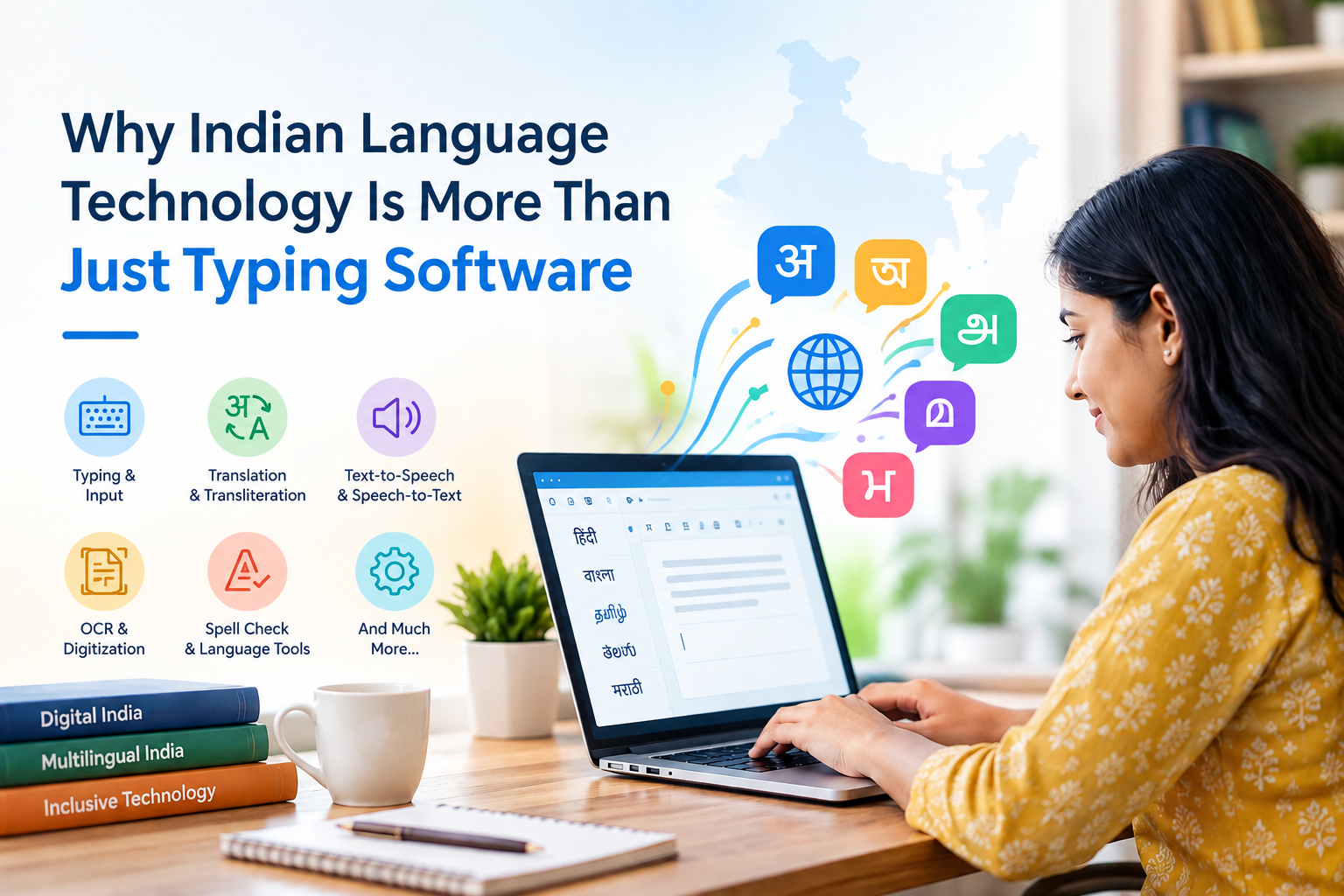
A number of technical procedures are initiated in the background when a word is typed in Devanagari, Tamil, Bengali. Ligatures must be shown without distortion, conjunct letters must be produced appropriately, and each script’s specific spacing requirements must be adhered to.
For this reason, instead of using the normal system fonts, specialized platforms like Shree-Lipi, created by Modular Infotech, are used. Such software renders scripts with the structural precision required by each language, rather than just displaying them.
A Foundation for Publishing and Print
Beyond the keyboard, Indian language technology is essential. In the publishing sector, newspapers, textbooks, and magazines in regional languages are typeset using Indic font libraries, and design fidelity is expected at a professional quality.
A Tool for Governance and Public Access
India’s government technology is molded government communication. Reliable Indic software is used to translate forms, notices, and public information into regional languages while maintaining accuracy and accessibility. Citizens who are more at ease in their native tongue than in English or Hindi find it more difficult to access governance itself in areas with inadequate infrastructure.
A Driver of Digital and Educational Inclusion
Language software that functions effectively in their mother tongue provides digital tools to millions of Indian professionals, students, and small companies.
Without this layer of technology, a significant share of India’s population would be left to navigate digital spaces in a language that is not their own — a barrier that directly limits participation in education, commerce, and public life.
A Bridge Between Heritage and the Digital Economy
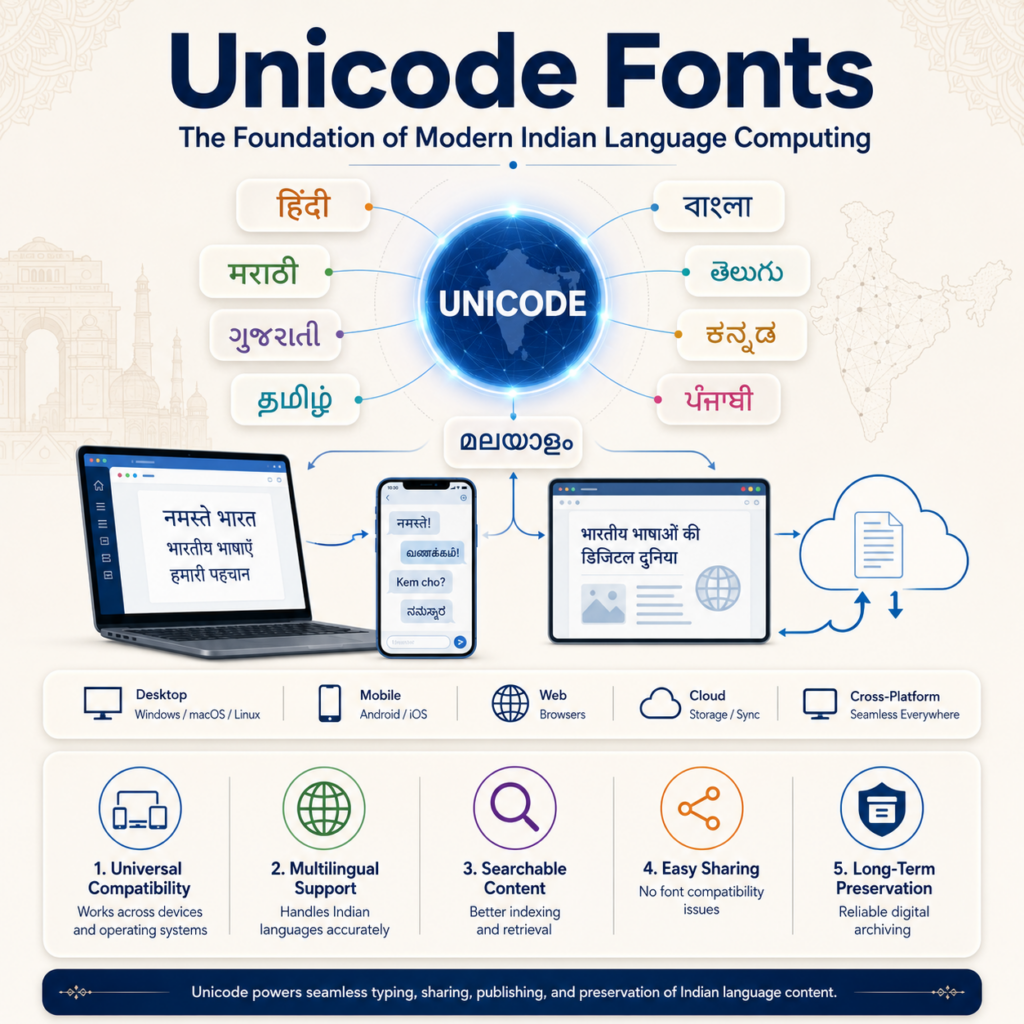
Indian scripts carry centuries of linguistic and cultural history, and this heritage is not set aside when scripts are adapted for screens. Traditional letterforms, conjuncts, and stylistic details are preserved by well-engineered Indic software, even as compatibility with modern formats such as OpenType and Unicode is maintained.
This is the quieter, more technical work for which companies like Modular Infotech are known — work that is rarely noticed when it is done correctly, but that is immediately felt when it is missing.
Conclusion
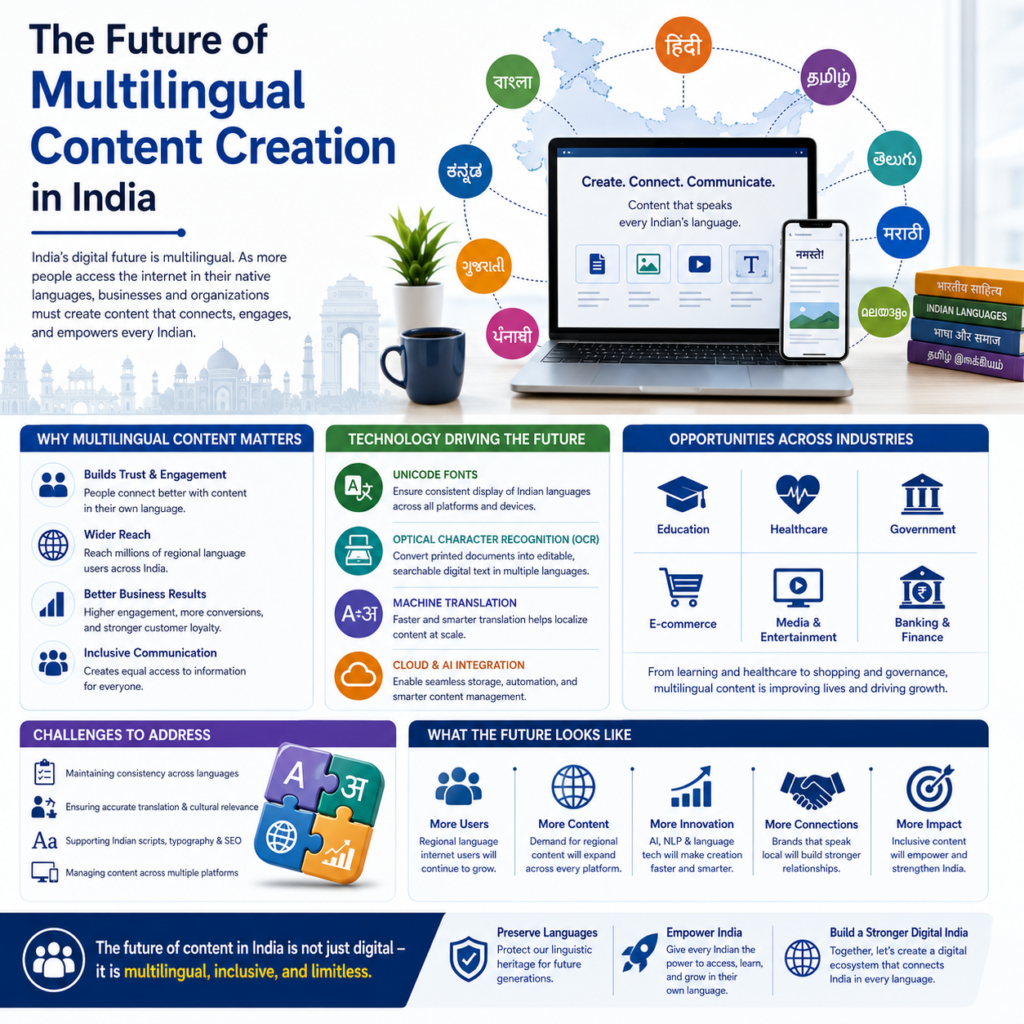
Indian language technology should not be measured only by how quickly a sentence is typed. It should be measured by what is made possible because of it: accurate publishing, accessible governance, inclusive education, and a digital economy in which no Indian language is left behind. Typing software is only the surface; the systems beneath it are what truly power India’s digital language ecosystem.
Explore Shree-Lipi nxt Plus, Modular Infotech’s multilingual software suite, at modular-infotech.com or write in at https://modular-infotech.com/