With 22 officially recognized languages and hundreds of regional languages and dialects, India is one of the world’s most linguistically varied nations. Moving from paper-based to digital procedures is no longer the only aspect of digital transformation. It involves creating digital experiences that are effective, inclusive, and available to everyone. Indian language computing, which enables businesses to create, organize, process, and disseminate content in a range of regional languages, plays a significant role in making this possible.
What is Indian Language Computing?
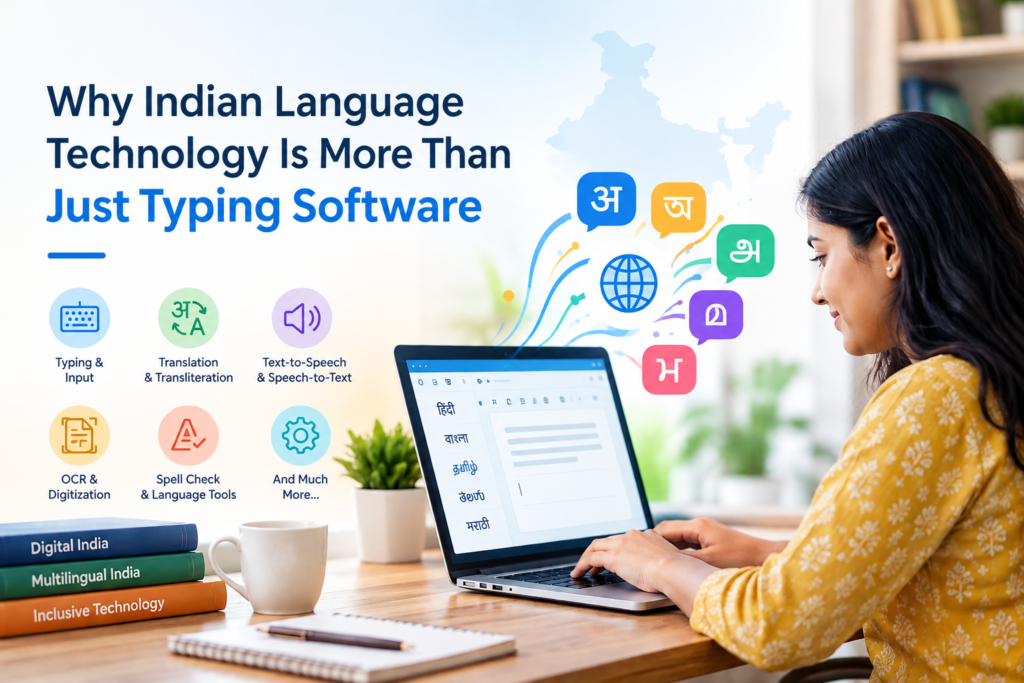
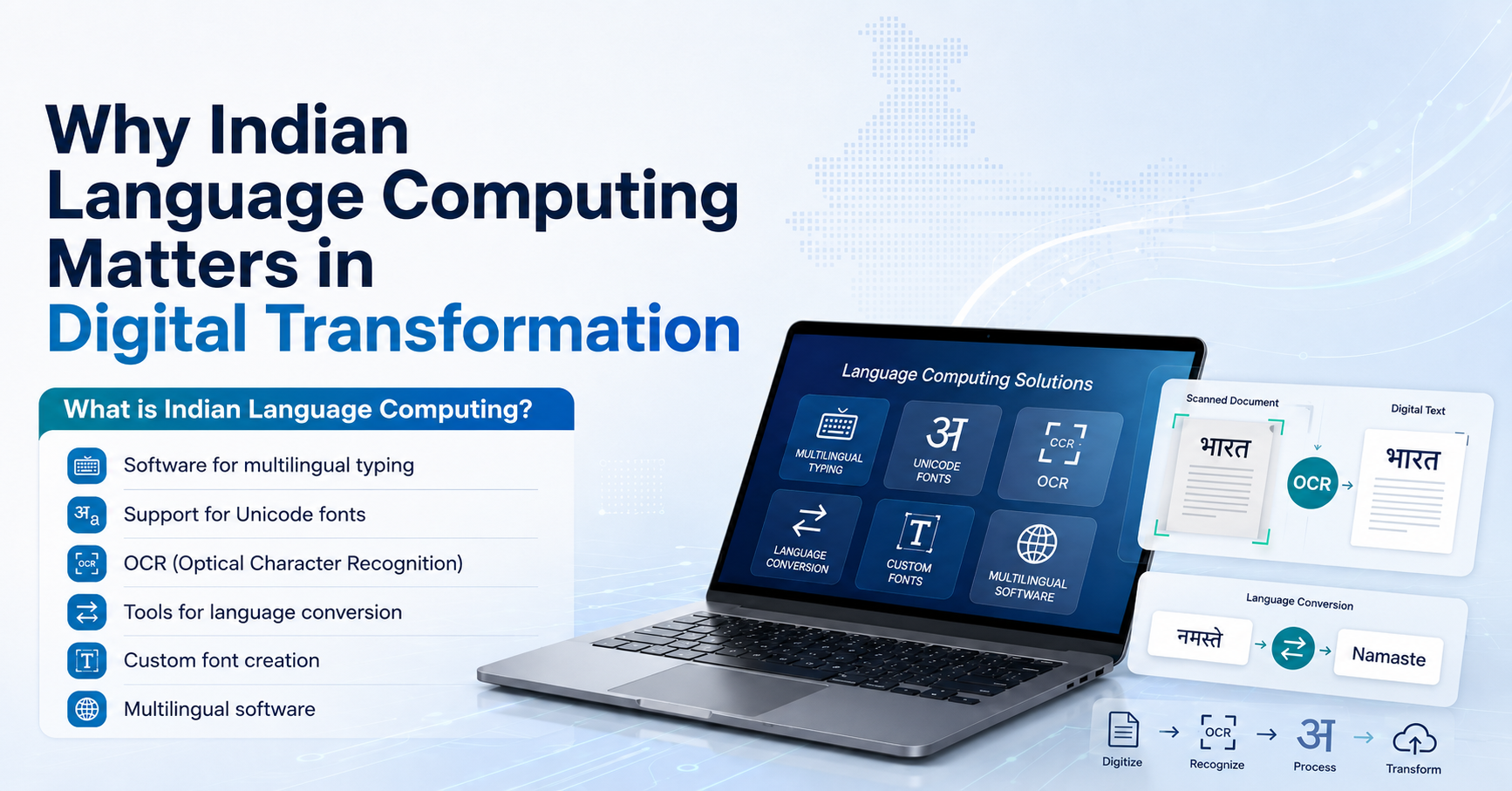
Indian language computing refers to the technology and tools that enable users to create, process, store, search, and share digital content in Indian languages.
It contains remedies like:
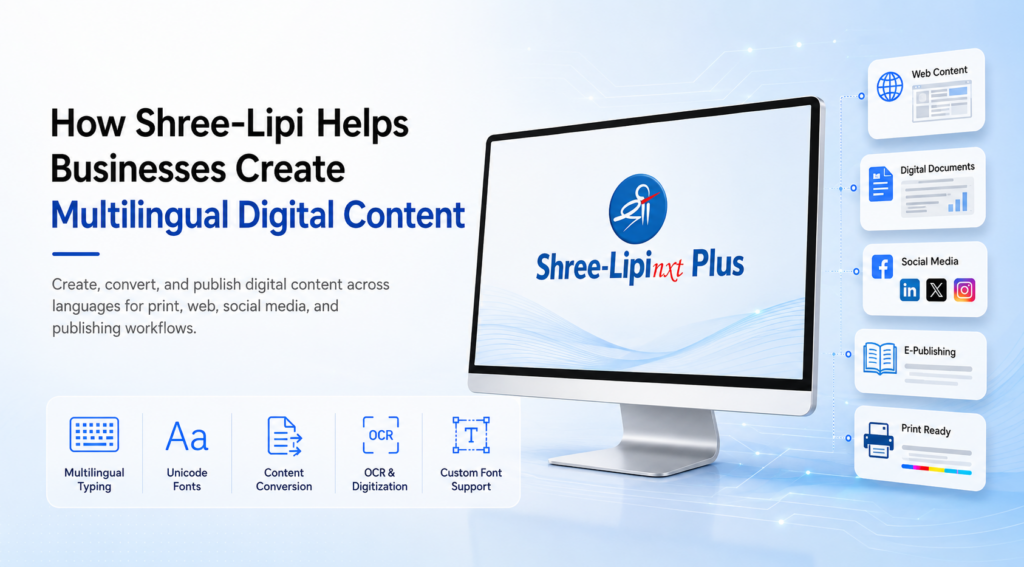
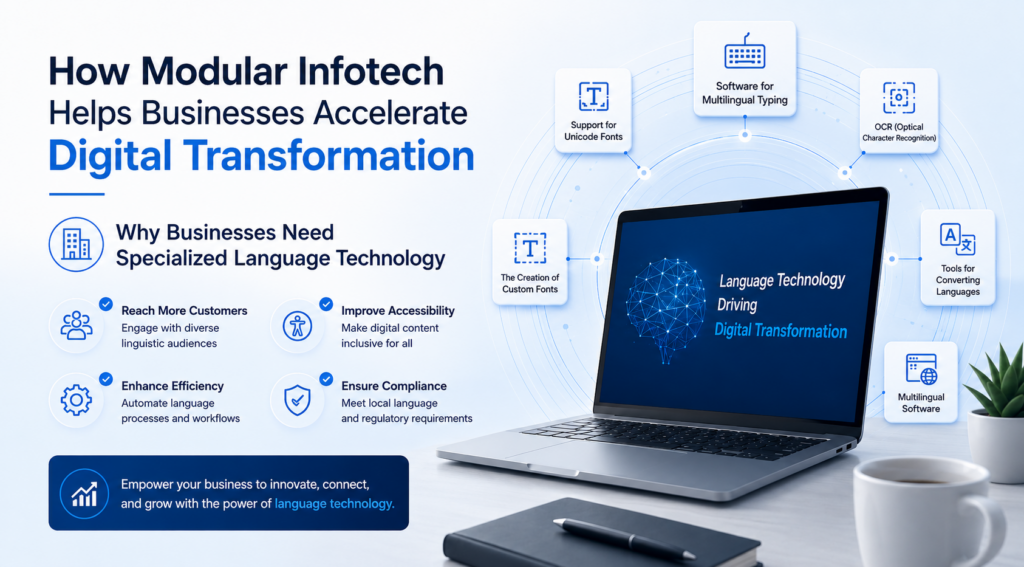
• Software for multilingual typing
• Support for Unicode fonts
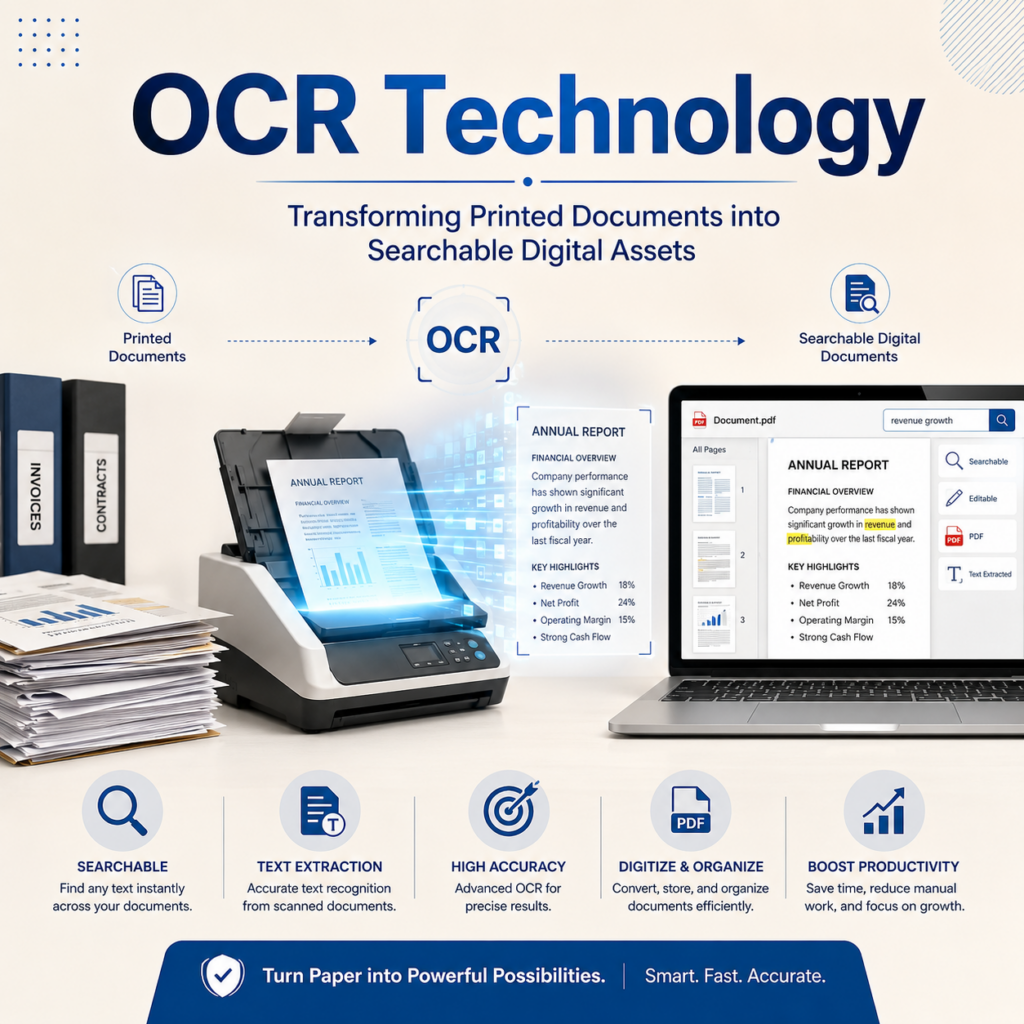
• OCR, or optical character recognition
• Tools for converting languages
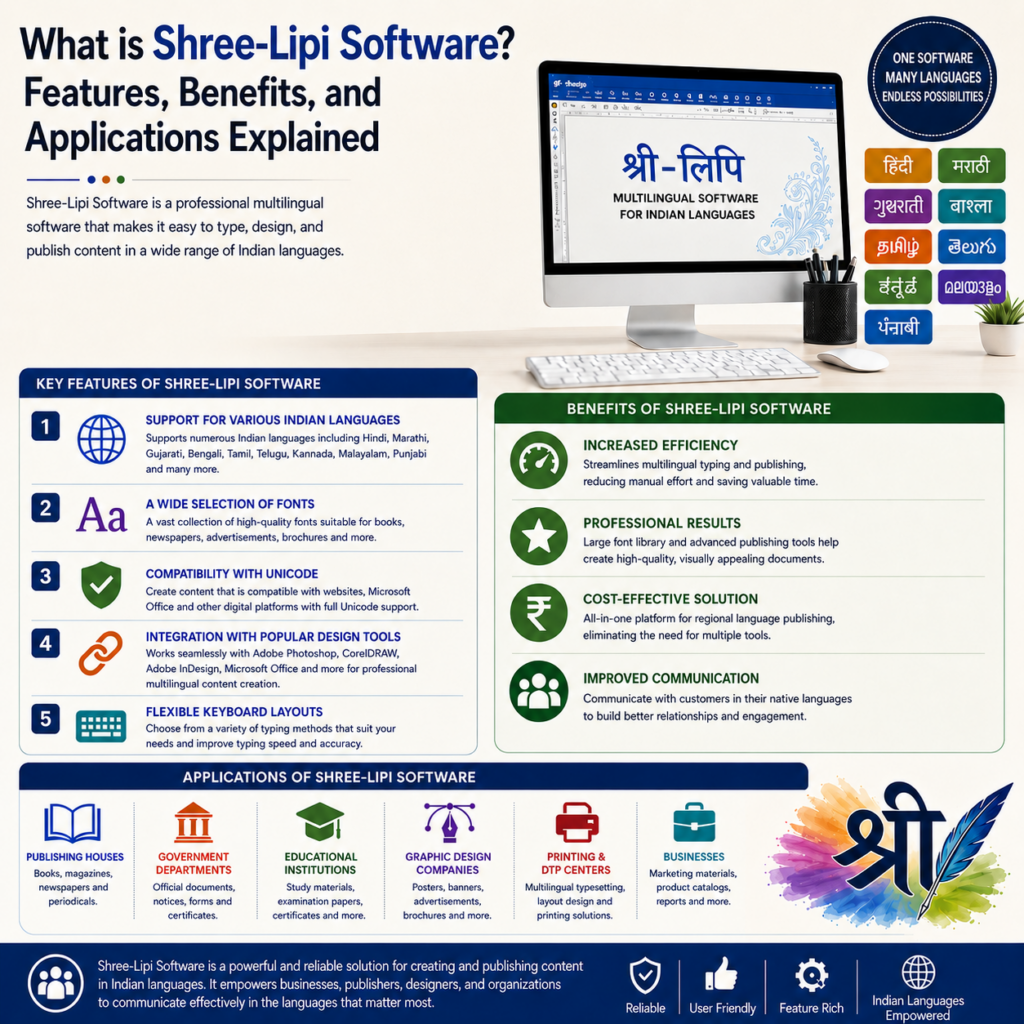
These technologies enable the use of numerous languages, including Hindi, Marathi, Gujarati, Tamil, Telugu, Bengali, Kannada, Punjabi, Malayalam, Odia, and Sanskrit.
The Growing Need for Indian Language Computing
Millions of new internet users in India prefer to consume content in their native tongues, and the country’s digital economy is growing quickly. Companies that exclusively speak English run the danger of losing out on chances to interact with a sizable segment of the populace.
By bridging the language gap, Indian language computing improves the effectiveness and inclusivity of digital services.
How Indian Language Computing Supports Digital Transformation
1. Expanding Digital Accessibility
Indian language computing makes information easier to access and comprehend by enabling businesses to offer websites, apps, papers, and digital services in regional languages.
This promotes digital inclusiveness and enhances user experience.
2. Preserving Valuable Legacy Documents
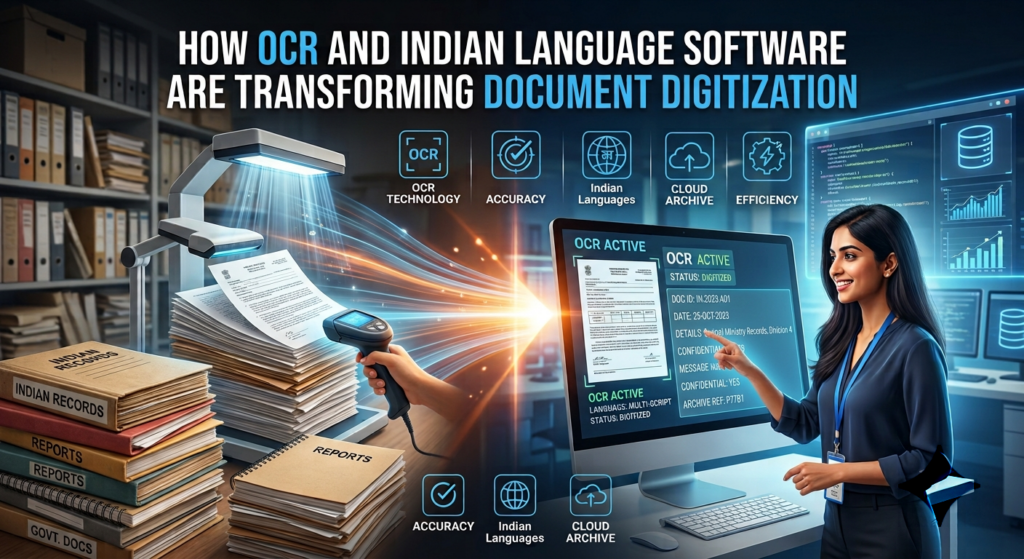
Decades’ worth of records is kept in printed or outdated typeface formats in many organizations.
These papers may be digitized, searched, preserved, and managed more effectively with the use of technologies like OCR and Unicode conversion.
3. Enhancing Customer Engagement
Customers are more likely to believe and engage with material when it is presented in their preferred language.
Companies that provide multilingual communication services can:
• Strengthen ties with customers
• Increase user contentment
• Boost the uptake of products
• Expand into new local markets
Organizations can establish deeper connections with audiences through language localization.
4. Supporting Government Digital Initiatives
Large volumes of multilingual data are handled by government agencies.
Indian language computers make it possible to effectively manage:
• Records that are public
• Certificates
• Services for citizens
Digital archives
• Documents related to administration
Government organizations can enhance service delivery while maintaining crucial administrative and historical data by digitizing multilingual papers.
5. Improving Search and Data Management
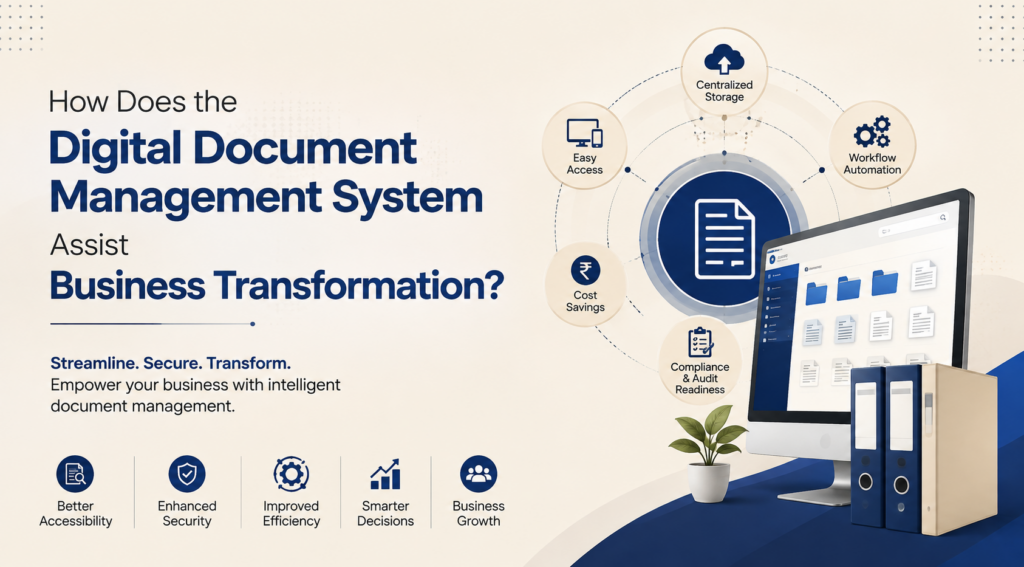
Structured, searchable data is essential to modern digital systems.
Unicode-capable Indian language content enables businesses to:
• Quickly search documents
• Arrange digital documents
Enhance the retrieval of documents
• Connect to business apps
• Improve the automation of workflow
Operational efficiency is greatly increased as a result.
6. Driving Digital Publishing
Accurate multilingual publishing solutions are needed by publishers, educational institutions, journalists, and content producers.
Indian language computing facilitates:
• Excellent typography
Digital publishing
• Electronic books
Newspapers
Educational resources
• Publications from the government
Compatibility across print and digital platforms is ensured via contemporary Unicode-based procedures.
Benefits for Businesses
Businesses that engage in Indian language computers benefit in a number of ways:
• Increased market share
• More communication with clients
• Improved accessibility
These advantages support long-term company expansion and online success.
Industries That Benefit Most
Indian language computing is beneficial in many domains, including:
• Public administration and government
• Financial services and banking
• Online education and instruction
• Manufacturing
• Publication and media
• Legal support
To effectively serve a variety of audiences, each of these sectors depends on precise multilingual communication.
Why Choose Modular Infotech?
With over 30 years of expertise in Indian language technology, Modular Infotech has been helping organizations simplify multilingual computing and digital transformation.
Our solutions include:
- Indian language typing software
- Unicode migration
- OCR and document digitization
- Custom font development
- Legacy font conversion
- Multilingual publishing solutions
- Enterprise language technology
- Digital archive modernization
Our goal is to help businesses and institutions manage multilingual information with greater accuracy, efficiency, and scalability.
The Future of Indian Language Computing
The need for multilingual technology will only rise as digital use spreads throughout India.
Businesses who invest in Indian language computing now will be better equipped to provide inclusive digital experiences, reach a wider audience, and keep up with emerging technologies.
The best results come from inclusive digital transformation. Companies can work together, communicate, and develop in the languages that their target markets are most familiar with thanks to Indian language computing.
Indian language computing is a key driver of modern digital transformation, offering everything from AI-powered apps and multilingual publications to digitizing historical documents and promoting Unicode compliance.
By using state-of-the-art language solutions, businesses and organizations can improve accessibility, increase productivity, and ensure that their multilingual content stays relevant in an increasingly digital environment.